Old Testament
OT 101 Genesis 1–11
A Bible Course in Twelve Weeks
3 credit hours · 12 weeks · self-paced · Prerequisite: none


Knoxville, TN. NASOT is a non-profit Christian-based school that offers mission work through a compelling way. Devoted to the word, we seek to extend God's love and grace to children across the globe through online classes and mission trips.
The North American School of Theology is committed to training church leaders to lead local congregations in believing the gospel (kerygma), serving others (diakonia), and building community (koinonia).
Author: Rev. Dr. Hardil Thomas, Retired Senior Pastor, Oak Valley Baptist Church, Oak Ridge, TN
As Children of God, our Lord has blessed us with gifts and talents in abundance to reach others in a meaningful way. We're on a journey to not only educate children with compelling curriculum studies, we're here to educate the spirit. The bible tells us to "Go ye therefore, and teach all nations," and that is what we aim to do. As a non-profit School of Theology, we're committed to reaching students throughout the world with online classes.
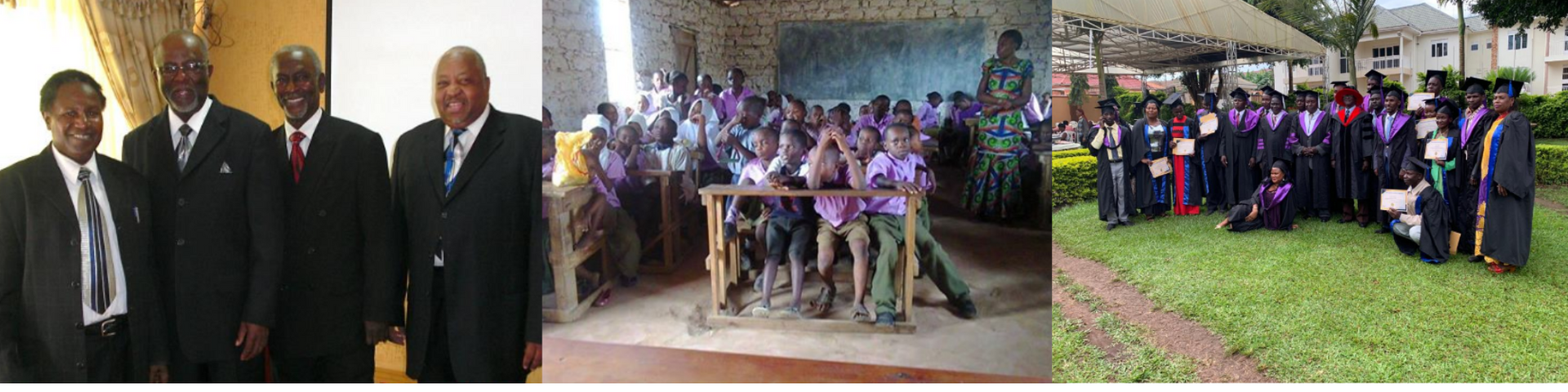
The North American School of Theology stands behind the awesome power of God. We believe that prayer and knowledge changes lives in profound ways and leads one up the road of salvation. As part of our mission, we're committed to training church leaders to lead local congregations in believing the gospel (kerygma), serving others (diakonia), and building community (koinonia). We support mission trips and provide online classes that extend to a global community. By grace, we have established learning communities in Uganda, Kenya, The Virgin Islands. We prayerfully hope to expand our community of learning to other regions of the world.
WFG: “And I saw three unclean spirits like frogs come out of the mouth of the dragon, and out of the mouth of the beast, and out of the mouth of the false prophet. For they are the spirits of devils, working miracles, which go forth unto the kings of the earth and of the whole world, to gather them to the battle of that great day of God Almighty.” (Revelation 16:13-14 KJV)
Great will be the deceptive miracles of men in that day against truth, but greater are you being sent to equip the saints for this battle. Help someone today, detect false prophets!
Go Be Great... Pastor Smart of GreaterWorks
Church of Oakridge, Tn.
Greater works than these shall he [you] do.” (Jn 14:12c)
Download the full degree catalog (PDF)
| Program | Credit Hours | Core Areas |
|---|---|---|
| Bachelor of Arts in Biblical and Theological Studies (B.A.) | 120 | General education; Old and New Testament; Greek and Hebrew; systematic and historical theology; logic, philosophy, and apologetics; ministry and missions; senior thesis |
| Master of Ministry (M.Min.) | 36 | English Bible and hermeneutics; systematic theology; church history; pastoral ministry, preaching, and counseling; missions; practicum |
| Master of Theology (M.Th.) | 60 | Greek and Hebrew; Old and New Testament theology; systematic and covenant theology; patristic through Reformed Orthodox theology; philosophy and apologetics; thesis |
| Master of Divinity (M.Div.) | 90 | Greek and Hebrew with exegesis; systematic and covenant theology; patristic through Reformed Orthodox theology; philosophy and apologetics; preaching, shepherding, counseling, worship, polity; missions; capstone |
| Doctor of Philosophy in Theology (PhD) | 60 | Eleven research seminars in systematic, historical, philosophical, and biblical theology; Latin and German; comprehensive exams; 80,000-100,000-word dissertation |
| Doctor of Theology (ThD) | 48 | Eight seminars in Reformed dogmatics and the Augustinian tradition; Latin; comprehensive exams; teaching practicum; 70,000-90,000-word dissertation |
The North American School of Theology is a nonprofit online Christian school of theology based in Knoxville, Tennessee, with learning communities in Uganda, Kenya, and the Virgin Islands. Its programs are built on a classical, confessional curriculum that is friendly to both Reformed and Baptist churches: the biblical languages, the Old and New Testaments, systematic theology, the history of doctrine from the patristic era through Reformed Orthodoxy, philosophy, apologetics, pastoral ministry, and missions.
All courses are delivered online and in NASOT learning communities. One credit hour represents fifteen hours of instruction plus the associated reading and writing. Undergraduate courses are numbered 100-499, master's courses 500-699, and doctoral courses 800-999. Master's programs share a common core so that students move between them without loss of credit, and the M.Min. core transfers in full into the M.Div.
Total: 120 credit hours
Normal length: Four years full-time (eight semesters of 15 credit hours).
The Bachelor of Arts in Biblical and Theological Studies gives students a classical Christian liberal-arts foundation and a thorough grounding in Scripture, the biblical languages, systematic and historical theology, philosophy, and ministry. Graduates are prepared to serve in the local church, to teach the Bible, and to enter graduate theological study.
Graduates of the program will be able to:
| Code | Course Title | Hrs | Description |
|---|---|---|---|
| ENG 101 | English Composition I | 3 | Develops clear, well-organized academic prose through the writing process, grammar, and argument. Students write short essays on biblical and cultural themes. |
| ENG 102 | English Composition II: Research Writing | 3 | Builds research, citation, and argumentative skills for longer papers. Students complete a documented research essay using library and digital sources. |
| COM 101 | Public Speaking | 3 | Trains students to prepare and deliver informative and persuasive speeches. Emphasis falls on clarity, structure, and faithful communication for ministry settings. |
| MTH 101 | College Mathematics | 3 | Covers quantitative reasoning, basic statistics, and practical financial mathematics. Applications include budgeting for households and congregations. |
| SCI 101 | Natural Science and the Christian Mind | 3 | Surveys the methods and major findings of the physical and life sciences. Students examine the created order and the relationship between science and Scripture. |
| HUM 101 | Western Civilization I | 3 | Traces the ancient Near East, Greece, Rome, and the early medieval world. Students read primary sources that shaped the context of the early church. |
| HUM 102 | Western Civilization II | 3 | Continues from the high Middle Ages through the Renaissance, Reformation, Enlightenment, and modern era. Attention is given to the ideas that formed the modern West. |
| LIT 201 | Great Books of the Christian Tradition | 3 | Reads classic works such as Augustine's Confessions, Dante, Bunyan, and Milton. Students learn to read closely and write about literature from a Christian perspective. |
| SOC 101 | Introduction to Sociology and Culture | 3 | Introduces the study of society, family, community, and cultural change. Students apply a biblical anthropology to the social settings in which they minister. |
| PSY 201 | Human Development | 3 | Surveys physical, cognitive, emotional, and moral development across the lifespan. The course equips students to understand those they teach and shepherd. |
| HIS 201 | Global History: Africa, the Caribbean, and the Americas | 3 | Examines the history of Africa, the Caribbean, and the Americas from the early modern period to the present. Special attention is given to East Africa and the Virgin Islands. |
| Code | Course Title | Hrs | Description |
|---|---|---|---|
| BIB 101 | Old Testament Survey | 3 | Surveys the content, structure, and historical setting of every Old Testament book. Students trace the unfolding promise of redemption from Genesis to Malachi. |
| BIB 102 | New Testament Survey | 3 | Surveys the content, background, and message of every New Testament book. Students study the fulfillment of the Old Testament in Christ and the apostolic church. |
| BIB 201 | Hermeneutics: Interpreting the Bible | 3 | Teaches the grammatical-historical method within the analogy of Scripture and the analogy of faith. Students practice interpreting narrative, poetry, prophecy, and epistle. |
| BIB 210 | The Pentateuch | 3 | Studies Genesis through Deuteronomy, focusing on creation, fall, covenant, law, and tabernacle. Students examine how the Pentateuch grounds the rest of Scripture. |
| BIB 220 | The Gospels | 3 | Studies Matthew, Mark, Luke, and John in their literary and theological distinctives. Emphasis falls on the person and work of Christ and the kingdom of God. |
| BIB 310 | The Prophets | 3 | Studies the major and minor prophets in their historical settings. Students examine covenant lawsuit, judgment, restoration, and messianic hope. |
| BIB 320 | Romans and the Pauline Epistles | 3 | Studies Paul's letters with sustained attention to Romans. Themes include justification, union with Christ, sanctification, and the church. |
| BIB 330 | Psalms and Wisdom Literature | 3 | Studies Psalms, Proverbs, Job, Ecclesiastes, and Song of Songs. Students learn to read Hebrew poetry and apply wisdom to worship and life. |
| BIB 340 | Acts and the General Epistles | 3 | Studies Acts, Hebrews, James, Peter, John, Jude, and Revelation. Students trace the expansion of the church and its doctrine in the apostolic age. |
| BIB 410 | Biblical Theology | 3 | Traces the major themes of Scripture across the canon, including covenant, kingdom, temple, and people of God. The course integrates exegesis with systematic theology. |
| Code | Course Title | Hrs | Description |
|---|---|---|---|
| GRK 201 | Elementary New Testament Greek I | 3 | Introduces the alphabet, vocabulary, and morphology of Koine Greek. Students begin reading simple passages from the Greek New Testament. |
| GRK 202 | Elementary New Testament Greek II | 3 | Completes the basic grammar of Koine Greek, including participles and the subjunctive. Students read and translate selected passages from John and 1 John. |
| HEB 301 | Elementary Biblical Hebrew I | 3 | Introduces the alphabet, vocabulary, and morphology of Biblical Hebrew. Students begin reading simple narrative texts. |
| HEB 302 | Elementary Biblical Hebrew II | 3 | Completes the basic grammar of Biblical Hebrew, including the verbal stems. Students read and translate selected narratives from Genesis and Ruth. |
| Code | Course Title | Hrs | Description |
|---|---|---|---|
| THE 101 | Foundations of Theological Study | 3 | Introduces the nature, sources, and method of theology and the habits of online theological study. Students learn research skills, reading strategies, and the shape of the curriculum. |
| THE 301 | Systematic Theology I: Scripture and God | 3 | Covers prolegomena, revelation, the inspiration and sufficiency of Scripture, and the doctrine of God. Topics include the divine attributes, the Trinity, and the decree. |
| THE 302 | Systematic Theology II: Man, Sin, and Christ | 3 | Covers creation, providence, humanity in the image of God, the covenant of works, and sin. The course concludes with the person and offices of Christ. |
| THE 303 | Systematic Theology III: Salvation, Church, and Last Things | 3 | Covers the order of salvation, the church, the ordinances, and eschatology. Students study effectual calling, justification, sanctification, and perseverance. |
| THE 401 | Reformed and Baptist Confessions | 3 | Studies the Westminster Confession, the Savoy Declaration, the Second London Baptist Confession of 1689, and related catechisms. Students compare their doctrine of covenant, church, and ordinances. |
| Code | Course Title | Hrs | Description |
|---|---|---|---|
| HIS 301 | Church History I: Patristic and Medieval | 3 | Traces the church from the apostolic fathers through the councils, Augustine, and the medieval period. Students read primary sources and study the formation of creedal orthodoxy. |
| HIS 302 | Church History II: Reformation and Reformed Orthodoxy | 3 | Studies Luther, Zwingli, Calvin, the English Reformation, and the age of Reformed Orthodoxy. The course concludes with the Puritans and the Synod of Dort. |
| HIS 303 | Church History III: Baptist and Modern Christianity | 3 | Traces the Particular Baptists, the evangelical awakenings, the modern missionary movement, and global Christianity. Students study the growth of the church in Africa and the Caribbean. |
| Code | Course Title | Hrs | Description |
|---|---|---|---|
| PHI 101 | Introduction to Logic | 3 | Teaches deductive and inductive reasoning, fallacies, and the structure of arguments. Students apply logic to reading Scripture and evaluating claims. |
| PHI 201 | Introduction to Philosophy | 3 | Surveys the major questions of metaphysics, epistemology, and ethics from the Greeks to the present. Students evaluate philosophical positions from a Christian standpoint. |
| APO 301 | Christian Apologetics | 3 | Introduces the defense of the Christian faith, including classical, evidential, and presuppositional approaches. Students engage atheism, Islam, secularism, and African traditional religion. |
| Code | Course Title | Hrs | Description |
|---|---|---|---|
| MIN 201 | Spiritual Formation and the Means of Grace | 3 | Studies the Christian life through the Word, prayer, the ordinances, and the fellowship of the church. Students develop personal disciplines of Scripture reading and prayer. |
| MIN 301 | Evangelism and Discipleship | 3 | Equips students to share the gospel clearly and to make disciples in the local church. Students design a discipleship plan for their own context. |
| MIS 301 | Introduction to Missions and Global Christianity | 3 | Surveys the biblical basis, history, and practice of missions. Students study cross-cultural ministry with attention to East Africa and the Caribbean. |
| Code | Course Title | Hrs | Description |
|---|---|---|---|
| THE 490 | Senior Capstone Thesis | 3 | Students write a supervised research thesis of 6,000 to 8,000 words integrating biblical, theological, and historical study. The thesis is presented to a faculty panel. |
Program total: 120 credit hours
| Term | Courses | Hours |
|---|---|---|
| Year 1, Fall | ENG 101 English Composition I; MTH 101 College Mathematics; BIB 101 Old Testament Survey; THE 101 Foundations of Theological Study; PHI 101 Introduction to Logic | 15 |
| Year 1, Spring | ENG 102 English Composition II: Research Writing; COM 101 Public Speaking; BIB 102 New Testament Survey; HUM 101 Western Civilization I; MIN 201 Spiritual Formation and the Means of Grace | 15 |
| Year 2, Fall | GRK 201 Elementary New Testament Greek I; HUM 102 Western Civilization II; BIB 201 Hermeneutics: Interpreting the Bible; SCI 101 Natural Science and the Christian Mind; PHI 201 Introduction to Philosophy | 15 |
| Year 2, Spring | GRK 202 Elementary New Testament Greek II; LIT 201 Great Books of the Christian Tradition; BIB 210 The Pentateuch; SOC 101 Introduction to Sociology and Culture; HIS 201 Global History: Africa, the Caribbean, and the Americas | 15 |
| Year 3, Fall | HEB 301 Elementary Biblical Hebrew I; BIB 220 The Gospels; THE 301 Systematic Theology I: Scripture and God; HIS 301 Church History I: Patristic and Medieval; PSY 201 Human Development | 15 |
| Year 3, Spring | HEB 302 Elementary Biblical Hebrew II; BIB 310 The Prophets; THE 302 Systematic Theology II: Man, Sin, and Christ; HIS 302 Church History II: Reformation and Reformed Orthodoxy; APO 301 Christian Apologetics | 15 |
| Year 4, Fall | BIB 320 Romans and the Pauline Epistles; BIB 330 Psalms and Wisdom Literature; THE 303 Systematic Theology III: Salvation, Church, and Last Things; HIS 303 Church History III: Baptist and Modern Christianity; MIS 301 Introduction to Missions and Global Christianity | 15 |
| Year 4, Spring | BIB 340 Acts and the General Epistles; BIB 410 Biblical Theology; THE 401 Reformed and Baptist Confessions; MIN 301 Evangelism and Discipleship; THE 490 Senior Capstone Thesis | 15 |
| Total | 120 |
Total: 36 credit hours
Normal length: Two years part-time (four semesters of 9 credit hours).
The Master of Ministry equips pastors, elders, missionaries, and church leaders already serving in ministry with graduate-level training in Bible, theology, church history, and pastoral practice. The program uses the English Bible and is designed for working ministers in North America, East Africa, and the Caribbean.
Graduates of the program will be able to:
| Code | Course Title | Hrs | Description |
|---|---|---|---|
| BIB 501 | Hermeneutics and Exegetical Method | 3 | Trains students in the grammatical-historical-theological method of interpretation. Students produce exegetical papers on narrative, poetic, and epistolary texts. |
| BIB 511 | Old Testament Theology and Interpretation | 3 | Studies the theology of the Old Testament by covenant and canonical division. Students interpret the Old Testament in light of its fulfillment in Christ. |
| BIB 521 | New Testament Theology and Interpretation | 3 | Studies the theology of the Gospels, Acts, Paul, and the General Epistles. Students trace the New Testament use of the Old Testament. |
| Code | Course Title | Hrs | Description |
|---|---|---|---|
| THE 501 | Systematic Theology I: Prolegomena, Scripture, and God | 3 | Studies the nature of theology, revelation, Scripture, the divine attributes, the Trinity, and the decree. Students read classical Reformed sources alongside Scripture. |
| THE 502 | Systematic Theology II: Creation, Man, Sin, and Christ | 3 | Studies creation, providence, the image of God, the covenant of works, sin, and the person and work of Christ. Emphasis falls on the hypostatic union and the atonement. |
| THE 503 | Systematic Theology III: Salvation, Church, and Last Things | 3 | Studies union with Christ, the order of salvation, the church, the ordinances, and eschatology. Students compare paedobaptist and credobaptist covenant ecclesiology. |
| Code | Course Title | Hrs | Description |
|---|---|---|---|
| HIS 501 | Church History Survey: Patristic through Reformed Orthodoxy | 3 | Surveys the church from the apostolic fathers through the councils, the medieval church, the Reformation, and Reformed Orthodoxy. Students read representative primary sources from each era. |
| Code | Course Title | Hrs | Description |
|---|---|---|---|
| MIN 501 | Pastoral Ministry and Shepherding | 3 | Studies the biblical qualifications, duties, and character of elders and pastors. Topics include visitation, church discipline, and care for the flock. |
| MIN 511 | Expository Preaching I | 3 | Teaches the preparation and delivery of expository sermons from biblical texts. Students preach and receive evaluation. |
| MIN 521 | Biblical Counseling | 3 | Studies the sufficiency of Scripture for counseling and the methods of biblical soul care. Students address grief, conflict, marriage, and suffering. |
| Code | Course Title | Hrs | Description |
|---|---|---|---|
| MIS 501 | Theology and Practice of Missions | 3 | Studies the biblical theology of missions and the history of the missionary movement. Students design a missions strategy for a specific people or region. |
| Code | Course Title | Hrs | Description |
|---|---|---|---|
| MIN 590 | Ministry Practicum | 3 | Students complete supervised ministry in a local church or NASOT learning community. Requirements include a log, a mentor evaluation, and a reflective paper. |
Program total: 36 credit hours
| Term | Courses | Hours |
|---|---|---|
| Term 1 | BIB 501 Hermeneutics and Exegetical Method; THE 501 Systematic Theology I: Prolegomena, Scripture, and God; MIN 501 Pastoral Ministry and Shepherding | 9 |
| Term 2 | BIB 511 Old Testament Theology and Interpretation; THE 502 Systematic Theology II: Creation, Man, Sin, and Christ; HIS 501 Church History Survey: Patristic through Reformed Orthodoxy | 9 |
| Term 3 | BIB 521 New Testament Theology and Interpretation; THE 503 Systematic Theology III: Salvation, Church, and Last Things; MIN 511 Expository Preaching I | 9 |
| Term 4 | MIN 521 Biblical Counseling; MIS 501 Theology and Practice of Missions; MIN 590 Ministry Practicum | 9 |
| Total | 36 |
Total: 60 credit hours
Normal length: Two years full-time (five terms of 12 credit hours, including one summer term).
The Master of Theology is an academic degree that trains students in the biblical languages, systematic theology, and historical theology from the patristic era through Reformed Orthodoxy. It culminates in a research thesis and prepares graduates for teaching, writing, and doctoral study.
Graduates of the program will be able to:
| Code | Course Title | Hrs | Description |
|---|---|---|---|
| GRK 501 | Greek I | 3 | Covers the morphology, syntax, and vocabulary of Koine Greek for graduate students. Students begin reading the Greek New Testament. |
| GRK 502 | Greek II | 3 | Completes Greek grammar and introduces intermediate syntax. Students translate extended passages and use Greek in exegesis. |
| HEB 501 | Hebrew I | 3 | Covers the morphology, syntax, and vocabulary of Biblical Hebrew for graduate students. Students begin reading Hebrew narrative. |
| HEB 502 | Hebrew II | 3 | Completes Hebrew grammar, including the full verbal system, and introduces syntax. Students translate extended Old Testament passages. |
| Code | Course Title | Hrs | Description |
|---|---|---|---|
| BIB 501 | Hermeneutics and Exegetical Method | 3 | Trains students in the grammatical-historical-theological method of interpretation. Students produce exegetical papers on narrative, poetic, and epistolary texts. |
| BIB 511 | Old Testament Theology and Interpretation | 3 | Studies the theology of the Old Testament by covenant and canonical division. Students interpret the Old Testament in light of its fulfillment in Christ. |
| BIB 521 | New Testament Theology and Interpretation | 3 | Studies the theology of the Gospels, Acts, Paul, and the General Epistles. Students trace the New Testament use of the Old Testament. |
| Code | Course Title | Hrs | Description |
|---|---|---|---|
| THE 501 | Systematic Theology I: Prolegomena, Scripture, and God | 3 | Studies the nature of theology, revelation, Scripture, the divine attributes, the Trinity, and the decree. Students read classical Reformed sources alongside Scripture. |
| THE 502 | Systematic Theology II: Creation, Man, Sin, and Christ | 3 | Studies creation, providence, the image of God, the covenant of works, sin, and the person and work of Christ. Emphasis falls on the hypostatic union and the atonement. |
| THE 503 | Systematic Theology III: Salvation, Church, and Last Things | 3 | Studies union with Christ, the order of salvation, the church, the ordinances, and eschatology. Students compare paedobaptist and credobaptist covenant ecclesiology. |
| THE 611 | Covenant Theology: Reformed and Baptist Federalism | 3 | Studies the covenants of redemption, works, and grace in Westminster and 1689 Federalism. Students assess continuity and discontinuity between the covenants. |
| Code | Course Title | Hrs | Description |
|---|---|---|---|
| HIS 511 | Patristic Theology | 3 | Studies the theology of the fathers from Ignatius through Augustine, centering on the Trinitarian and Christological councils. Students read primary texts in translation. |
| HIS 521 | Medieval and Scholastic Theology | 3 | Studies theology from Boethius and Anselm through Aquinas, Scotus, and the late medieval schools. Students examine scholastic method and its later Protestant use. |
| HIS 531 | Reformation Theology | 3 | Studies Luther, Zwingli, Bucer, Calvin, Bullinger, and the English Reformers. Students examine sola Scriptura, justification, and the reform of worship. |
| HIS 541 | Reformed Orthodoxy and Baptist Confessional Theology | 3 | Studies the theology of Dort, Westminster, the Puritans, and the Particular Baptists. Students read Turretin, Owen, and the 1689 Confession in its historical setting. |
| Code | Course Title | Hrs | Description |
|---|---|---|---|
| PHI 501 | Philosophy for Theologians | 3 | Covers metaphysics, epistemology, and philosophical vocabulary used in classical theology. Students study substance, causation, necessity, and freedom. |
| APO 501 | Apologetics and Christian Worldview | 3 | Studies the major apologetic methods and their theological foundations. Students construct a defense of the faith addressed to contemporary objections. |
| Code | Course Title | Hrs | Description |
|---|---|---|---|
| THE 601 | Theological Research Methods | 3 | Trains students in advanced research, bibliography, primary-source analysis, and academic writing. Students produce a thesis proposal. |
| THE 690 | Thesis I | 3 | Students research and draft a master's thesis under a supervisor. The term concludes with an approved outline and two completed chapters. |
| THE 691 | Thesis II | 3 | Students complete, revise, and defend a master's thesis of 20,000 to 25,000 words. The defense is held before a two-member committee. |
Program total: 60 credit hours
| Term | Courses | Hours |
|---|---|---|
| Year 1, Fall | GRK 501 Greek I; BIB 501 Hermeneutics and Exegetical Method; THE 501 Systematic Theology I: Prolegomena, Scripture, and God; HIS 511 Patristic Theology | 12 |
| Year 1, Spring | GRK 502 Greek II; BIB 521 New Testament Theology and Interpretation; THE 502 Systematic Theology II: Creation, Man, Sin, and Christ; HIS 521 Medieval and Scholastic Theology | 12 |
| Year 1, Summer | HEB 501 Hebrew I; HEB 502 Hebrew II; PHI 501 Philosophy for Theologians; THE 601 Theological Research Methods | 12 |
| Year 2, Fall | BIB 511 Old Testament Theology and Interpretation; THE 503 Systematic Theology III: Salvation, Church, and Last Things; HIS 531 Reformation Theology; THE 690 Thesis I | 12 |
| Year 2, Spring | HIS 541 Reformed Orthodoxy and Baptist Confessional Theology; APO 501 Apologetics and Christian Worldview; THE 611 Covenant Theology: Reformed and Baptist Federalism; THE 691 Thesis II | 12 |
| Total | 60 |
Total: 90 credit hours
Normal length: Three years full-time (six semesters of 15 credit hours).
The Master of Divinity is the comprehensive degree for pastoral ministry. It joins the biblical languages, exegesis, systematic and historical theology, philosophy, and apologetics with full training in preaching, shepherding, counseling, worship, leadership, and missions. Graduates are prepared for ordination, pastoral service, church planting, and further theological study.
Graduates of the program will be able to:
| Code | Course Title | Hrs | Description |
|---|---|---|---|
| GRK 501 | Greek I | 3 | Covers the morphology, syntax, and vocabulary of Koine Greek for graduate students. Students begin reading the Greek New Testament. |
| GRK 502 | Greek II | 3 | Completes Greek grammar and introduces intermediate syntax. Students translate extended passages and use Greek in exegesis. |
| HEB 501 | Hebrew I | 3 | Covers the morphology, syntax, and vocabulary of Biblical Hebrew for graduate students. Students begin reading Hebrew narrative. |
| HEB 502 | Hebrew II | 3 | Completes Hebrew grammar, including the full verbal system, and introduces syntax. Students translate extended Old Testament passages. |
| Code | Course Title | Hrs | Description |
|---|---|---|---|
| BIB 501 | Hermeneutics and Exegetical Method | 3 | Trains students in the grammatical-historical-theological method of interpretation. Students produce exegetical papers on narrative, poetic, and epistolary texts. |
| BIB 511 | Old Testament Theology and Interpretation | 3 | Studies the theology of the Old Testament by covenant and canonical division. Students interpret the Old Testament in light of its fulfillment in Christ. |
| BIB 521 | New Testament Theology and Interpretation | 3 | Studies the theology of the Gospels, Acts, Paul, and the General Epistles. Students trace the New Testament use of the Old Testament. |
| BIB 601 | Greek Exegesis | 3 | Applies Greek grammar and syntax to the exegesis of a New Testament book, normally Romans, Galatians, or Hebrews. Students produce a full exegetical paper from the Greek text. |
| BIB 611 | Hebrew Exegesis | 3 | Applies Hebrew grammar and syntax to the exegesis of an Old Testament book or corpus. Students produce a full exegetical paper from the Hebrew text. |
| Code | Course Title | Hrs | Description |
|---|---|---|---|
| THE 501 | Systematic Theology I: Prolegomena, Scripture, and God | 3 | Studies the nature of theology, revelation, Scripture, the divine attributes, the Trinity, and the decree. Students read classical Reformed sources alongside Scripture. |
| THE 502 | Systematic Theology II: Creation, Man, Sin, and Christ | 3 | Studies creation, providence, the image of God, the covenant of works, sin, and the person and work of Christ. Emphasis falls on the hypostatic union and the atonement. |
| THE 503 | Systematic Theology III: Salvation, Church, and Last Things | 3 | Studies union with Christ, the order of salvation, the church, the ordinances, and eschatology. Students compare paedobaptist and credobaptist covenant ecclesiology. |
| THE 611 | Covenant Theology: Reformed and Baptist Federalism | 3 | Studies the covenants of redemption, works, and grace in Westminster and 1689 Federalism. Students assess continuity and discontinuity between the covenants. |
| Code | Course Title | Hrs | Description |
|---|---|---|---|
| HIS 511 | Patristic Theology | 3 | Studies the theology of the fathers from Ignatius through Augustine, centering on the Trinitarian and Christological councils. Students read primary texts in translation. |
| HIS 521 | Medieval and Scholastic Theology | 3 | Studies theology from Boethius and Anselm through Aquinas, Scotus, and the late medieval schools. Students examine scholastic method and its later Protestant use. |
| HIS 531 | Reformation Theology | 3 | Studies Luther, Zwingli, Bucer, Calvin, Bullinger, and the English Reformers. Students examine sola Scriptura, justification, and the reform of worship. |
| HIS 541 | Reformed Orthodoxy and Baptist Confessional Theology | 3 | Studies the theology of Dort, Westminster, the Puritans, and the Particular Baptists. Students read Turretin, Owen, and the 1689 Confession in its historical setting. |
| Code | Course Title | Hrs | Description |
|---|---|---|---|
| PHI 501 | Philosophy for Theologians | 3 | Covers metaphysics, epistemology, and philosophical vocabulary used in classical theology. Students study substance, causation, necessity, and freedom. |
| APO 501 | Apologetics and Christian Worldview | 3 | Studies the major apologetic methods and their theological foundations. Students construct a defense of the faith addressed to contemporary objections. |
| Code | Course Title | Hrs | Description |
|---|---|---|---|
| MIN 501 | Pastoral Ministry and Shepherding | 3 | Studies the biblical qualifications, duties, and character of elders and pastors. Topics include visitation, church discipline, and care for the flock. |
| MIN 511 | Expository Preaching I | 3 | Teaches the preparation and delivery of expository sermons from biblical texts. Students preach and receive evaluation. |
| MIN 512 | Expository Preaching II | 3 | Develops advanced preaching skills across genres and for series preaching. Students preach from Old Testament narrative, prophecy, and the epistles. |
| MIN 521 | Biblical Counseling | 3 | Studies the sufficiency of Scripture for counseling and the methods of biblical soul care. Students address grief, conflict, marriage, and suffering. |
| MIN 531 | Church Leadership and Polity | 3 | Studies the biblical pattern of church government, eldership, deacons, and congregational life. Students address church administration, finances, and conflict resolution. |
| MIN 541 | Worship and the Ordinances | 3 | Studies the regulative principle, the elements of public worship, and the administration of baptism and the Lord's Supper. Students plan and lead a service of worship. |
| MIN 551 | Spiritual Formation and Pastoral Character | 3 | Studies the minister's own godliness, prayer, family life, and use of the means of grace. Students write a personal rule of life. |
| MIN 590 | Ministry Practicum | 3 | Students complete supervised ministry in a local church or NASOT learning community. Requirements include a log, a mentor evaluation, and a reflective paper. |
| Code | Course Title | Hrs | Description |
|---|---|---|---|
| MIS 501 | Theology and Practice of Missions | 3 | Studies the biblical theology of missions and the history of the missionary movement. Students design a missions strategy for a specific people or region. |
| MIS 511 | Evangelism and Church Planting in Global Context | 3 | Equips students to evangelize and plant churches across cultures. Case studies are drawn from Uganda, Kenya, and the Virgin Islands. |
| Code | Course Title | Hrs | Description |
|---|---|---|---|
| THE 695 | M.Div. Integrative Capstone | 3 | Students write a personal statement of faith and sit an integrative oral examination covering Bible, theology, history, and ministry. The examination parallels a church's ordination council. |
Program total: 90 credit hours
| Term | Courses | Hours |
|---|---|---|
| Year 1, Fall | GRK 501 Greek I; BIB 501 Hermeneutics and Exegetical Method; THE 501 Systematic Theology I: Prolegomena, Scripture, and God; HIS 511 Patristic Theology; MIN 551 Spiritual Formation and Pastoral Character | 15 |
| Year 1, Spring | GRK 502 Greek II; BIB 521 New Testament Theology and Interpretation; THE 502 Systematic Theology II: Creation, Man, Sin, and Christ; HIS 521 Medieval and Scholastic Theology; MIN 501 Pastoral Ministry and Shepherding | 15 |
| Year 2, Fall | HEB 501 Hebrew I; BIB 601 Greek Exegesis; THE 503 Systematic Theology III: Salvation, Church, and Last Things; HIS 531 Reformation Theology; PHI 501 Philosophy for Theologians | 15 |
| Year 2, Spring | HEB 502 Hebrew II; BIB 511 Old Testament Theology and Interpretation; THE 611 Covenant Theology: Reformed and Baptist Federalism; HIS 541 Reformed Orthodoxy and Baptist Confessional Theology; MIN 511 Expository Preaching I | 15 |
| Year 3, Fall | BIB 611 Hebrew Exegesis; APO 501 Apologetics and Christian Worldview; MIN 512 Expository Preaching II; MIN 521 Biblical Counseling; MIS 501 Theology and Practice of Missions | 15 |
| Year 3, Spring | MIN 531 Church Leadership and Polity; MIN 541 Worship and the Ordinances; MIS 511 Evangelism and Church Planting in Global Context; MIN 590 Ministry Practicum; THE 695 M.Div. Integrative Capstone | 15 |
| Total | 90 |
Total: 60 credit hours
Normal length: Three to four years full-time (three seminar terms, one examination term, and three dissertation terms).
The PhD in Theology is a research doctorate that prepares scholars to teach and publish in systematic, historical, and philosophical theology. It joins advanced seminars with research languages, comprehensive examinations, and an original dissertation that contributes to the scholarly understanding of Christian doctrine.
Graduates of the program will be able to:
| Code | Course Title | Hrs | Description |
|---|---|---|---|
| THE 801 | Research Methods and Pedagogy in Theology | 3 | Trains doctoral students in advanced research, historiography, and the teaching of theology. Students prepare a syllabus and a literature review in their field. |
| THE 811 | Seminar: The Doctrine of God | 3 | Examines divine simplicity, immutability, eternity, knowledge, and will in classical and Reformed sources. Students write a research paper on a disputed question. |
| THE 821 | Seminar: Christology and Soteriology | 3 | Examines the person of Christ, the hypostatic union, the atonement, and the application of redemption. Students engage patristic, medieval, and Reformed sources. |
| THE 831 | Seminar: Covenant Theology | 3 | Examines Reformed and Particular Baptist federalism, including the covenant of redemption and the Mosaic covenant. Students write a publishable research paper. |
| HIS 811 | Seminar: Patristic Sources | 3 | Reads major patristic texts in the original language or translation with attention to doctrinal development. Students write a research paper on a single father or controversy. |
| HIS 821 | Seminar: Medieval Scholasticism | 3 | Reads Anselm, Aquinas, Scotus, and late medieval theologians on selected questions. Students trace the reception of scholastic method in Protestant theology. |
| HIS 831 | Seminar: Reformed Orthodoxy | 3 | Reads Turretin, Owen, Voetius, and other Reformed Orthodox theologians on selected loci. Students work with Latin primary sources. |
| PHI 811 | Seminar: Philosophical Theology | 3 | Examines metaphysics and philosophy of religion as they bear on Christian doctrine. Topics include providence, divine knowledge, freedom, and causation. |
| BIB 811 | Seminar: Biblical Theology and Theological Interpretation | 3 | Examines the relationship between exegesis, biblical theology, and dogmatics. Students study premodern and modern models of interpretation. |
| APO 811 | Seminar: Apologetics and Religious Epistemology | 3 | Examines the foundations of apologetic method and the epistemology of belief in God. Students evaluate classical and presuppositional approaches. |
| THE 891 | Directed Readings in the Dissertation Field | 3 | Students complete a supervised reading program in their dissertation area. The course concludes with an annotated bibliography and a field essay. |
| Code | Course Title | Hrs | Description |
|---|---|---|---|
| LAT 801 | Theological Latin | 3 | Teaches Latin grammar and vocabulary for reading patristic, medieval, and Reformed Orthodox theology. Students translate selected passages from Augustine, Aquinas, and Turretin. |
| GER 801 | German for Theological Research | 3 | Teaches reading competence in German for theological scholarship. Students translate selections from German theological works. |
| Code | Course Title | Hrs | Description |
|---|---|---|---|
| THE 898 | Comprehensive Examinations | 3 | Students sit written examinations in their major field, two minor fields, and the history of doctrine, followed by an oral examination. Passing admits the student to candidacy. |
| THE 900 | Dissertation Prospectus | 3 | Students write and defend a dissertation prospectus stating the thesis, method, sources, and chapter outline. The committee approves the prospectus before dissertation writing begins. |
| Code | Course Title | Hrs | Description |
|---|---|---|---|
| THE 911 | PhD Dissertation I | 6 | Students research and write the first half of the dissertation under the supervisor. Progress is reviewed by the committee at the end of the term. |
| THE 912 | PhD Dissertation II | 6 | Students complete the full draft of the dissertation. The committee reviews the draft and returns written revisions. |
| THE 913 | PhD Dissertation Completion and Defense | 3 | Students revise the dissertation and defend it orally before the committee and an external reader. The final copy is deposited with NASOT. |
Program total: 60 credit hours
| Term | Courses | Hours |
|---|---|---|
| Term 1 | THE 801 Research Methods and Pedagogy in Theology; THE 811 Seminar: The Doctrine of God; HIS 811 Seminar: Patristic Sources; LAT 801 Theological Latin | 12 |
| Term 2 | THE 821 Seminar: Christology and Soteriology; HIS 821 Seminar: Medieval Scholasticism; PHI 811 Seminar: Philosophical Theology; GER 801 German for Theological Research | 12 |
| Term 3 | THE 831 Seminar: Covenant Theology; HIS 831 Seminar: Reformed Orthodoxy; BIB 811 Seminar: Biblical Theology and Theological Interpretation; APO 811 Seminar: Apologetics and Religious Epistemology | 12 |
| Term 4 | THE 891 Directed Readings in the Dissertation Field; THE 898 Comprehensive Examinations; THE 900 Dissertation Prospectus | 9 |
| Term 5 | THE 911 PhD Dissertation I | 6 |
| Term 6 | THE 912 PhD Dissertation II | 6 |
| Term 7 | THE 913 PhD Dissertation Completion and Defense | 3 |
| Total | 60 |
Total: 48 credit hours
Normal length: Three years full-time (three seminar terms, one prospectus term, and two dissertation terms).
The Doctor of Theology is an advanced theological doctorate centered on dogmatics and the history of doctrine, read from the primary sources of the Augustinian, Reformed, and Particular Baptist traditions. It is designed for experienced ministers and teachers who will train pastors and teach theology in the church and in theological schools across the nations.
Graduates of the program will be able to:
| Code | Course Title | Hrs | Description |
|---|---|---|---|
| THE 801 | Research Methods and Pedagogy in Theology | 3 | Trains doctoral students in advanced research, historiography, and the teaching of theology. Students prepare a syllabus and a literature review in their field. |
| THE 851 | Seminar: Prolegomena and the Doctrine of Scripture | 3 | Examines the principles of theology, archetypal and ectypal theology, and the doctrine of Scripture in Reformed dogmatics. Students write a research paper engaging primary sources. |
| THE 861 | Seminar: Theology Proper and the Divine Decree | 3 | Examines the divine attributes, the Trinity, and the decree in Reformed Orthodox dogmatics. Topics include predestination, providence, and concurrence. |
| THE 871 | Seminar: Anthropology, Sin, and the Covenant of Works | 3 | Examines the image of God, original righteousness, the covenant of works, and original sin. Students engage patristic, Reformed, and Baptist sources. |
| HIS 851 | Seminar: Augustine and the Augustinian Tradition | 3 | Reads Augustine on grace, the Trinity, and the church, and traces his reception through the Reformation. Students write a research paper on a single theme. |
| HIS 861 | Seminar: Calvin and the Reformers | 3 | Reads Calvin's Institutes and commentaries alongside other Reformers. Students examine the continuity of the Reformation with the catholic tradition. |
| HIS 871 | Seminar: Puritan and Particular Baptist Theology | 3 | Reads Owen, Goodwin, Keach, Coxe, and the framers of the 1689 Confession. Students examine their covenant theology, ecclesiology, and practical divinity. |
| MIN 851 | Teaching Theology in the Church and the Nations | 3 | Prepares doctoral students to teach theology to pastors and congregations across cultures. Students design and teach a course module in a NASOT learning community. |
| Code | Course Title | Hrs | Description |
|---|---|---|---|
| LAT 801 | Theological Latin | 3 | Teaches Latin grammar and vocabulary for reading patristic, medieval, and Reformed Orthodox theology. Students translate selected passages from Augustine, Aquinas, and Turretin. |
| Code | Course Title | Hrs | Description |
|---|---|---|---|
| THE 898 | Comprehensive Examinations | 3 | Students sit written examinations in their major field, two minor fields, and the history of doctrine, followed by an oral examination. Passing admits the student to candidacy. |
| THE 900 | Dissertation Prospectus | 3 | Students write and defend a dissertation prospectus stating the thesis, method, sources, and chapter outline. The committee approves the prospectus before dissertation writing begins. |
| Code | Course Title | Hrs | Description |
|---|---|---|---|
| THE 921 | ThD Dissertation I | 6 | Students research and write the first half of the dissertation under the supervisor. Progress is reviewed by the committee at the end of the term. |
| THE 922 | ThD Dissertation II | 6 | Students complete the full draft of the dissertation. The committee reviews the draft and returns written revisions. |
| THE 923 | ThD Dissertation Completion and Defense | 3 | Students revise the dissertation and defend it orally before the committee and an external reader. The final copy is deposited with NASOT. |
Program total: 48 credit hours
| Term | Courses | Hours |
|---|---|---|
| Term 1 | THE 801 Research Methods and Pedagogy in Theology; THE 851 Seminar: Prolegomena and the Doctrine of Scripture; HIS 851 Seminar: Augustine and the Augustinian Tradition; LAT 801 Theological Latin | 12 |
| Term 2 | THE 861 Seminar: Theology Proper and the Divine Decree; HIS 861 Seminar: Calvin and the Reformers; THE 871 Seminar: Anthropology, Sin, and the Covenant of Works | 9 |
| Term 3 | HIS 871 Seminar: Puritan and Particular Baptist Theology; MIN 851 Teaching Theology in the Church and the Nations; THE 898 Comprehensive Examinations | 9 |
| Term 4 | THE 900 Dissertation Prospectus; THE 921 ThD Dissertation I | 9 |
| Term 5 | THE 922 ThD Dissertation II | 6 |
| Term 6 | THE 923 ThD Dissertation Completion and Defense | 3 |
| Total | 48 |
As a non-profit School of Theology, NASOT provides online classes that can be accessed by students all across the globe. Prevalent areas we share our teachings include Uganda, The Virgin Islands, and Kenya. And we're always striving to extend our reach to spread God's love and word as far as possible.
We provide each instructor with engaging and faith-based course assignments, course descriptions and course requirements. Instructors have liberty to develop their own course outlines and handouts to best accommodate students. To learn more about how you can get involved with our online class program, contact us today at (865) 599-8919.
Titles are as printed on the title pages of the course files. 26 courses in all: 21 Bible courses, the Keach catechism course and four courses on the Second London Baptist Confession.
Download the Bible Curriculum Catalog (PDF)
A Bible Course in Twelve Weeks
3 credit hours · 12 weeks · self-paced · Prerequisite: none
A Bible Course in Twelve Weeks
3 credit hours · 12 weeks · self-paced · Prerequisite: OT 101
A Bible Course in Twelve Weeks
3 credit hours · 12 weeks · self-paced · Prerequisite: OT 102
A Bible Course in Twelve Weeks
3 credit hours · 12 weeks · self-paced · Prerequisite: OT 103
A Bible Course in Twelve Weeks
3 credit hours · 12 weeks · self-paced · Prerequisite: OT 103
A Bible Course in Twelve Weeks
3 credit hours · 12 weeks · self-paced · Prerequisite: OT 105
A Bible Course in Twelve Weeks
3 credit hours · 12 weeks · self-paced · Prerequisite: OT 105
A Bible Course in Twelve Weeks
3 credit hours · 12 weeks · self-paced · Prerequisite: OT 105
A Bible Course in Twelve Weeks
3 credit hours · 12 weeks · self-paced · Prerequisite: OT 202 and OT 203
A Bible Course in Twelve Weeks
3 credit hours · 12 weeks · self-paced · Prerequisite: OT 101
A Bible Course in Twelve Weeks
3 credit hours · 12 weeks · self-paced · Prerequisite: OT 101
A Bible Course in Twelve Weeks
3 credit hours · 12 weeks · self-paced · Prerequisite: OT 302
A Bible Course in Twelve Weeks
3 credit hours · 12 weeks · self-paced · Prerequisite: OT 101
A Bible Course in Twelve Weeks
3 credit hours · 12 weeks · self-paced · Prerequisite: OT 105, OT 203
A Bible Course in Twelve Weeks
3 credit hours · 12 weeks · self-paced · Prerequisite: OT 401
A Bible Course in Twelve Weeks
3 credit hours · 12 weeks · self-paced · Prerequisite: OT 105, OT 203
A Bible Course in Twelve Weeks
3 credit hours · 12 weeks · self-paced · Prerequisite: OT 105, OT 203
A Bible Course in Twelve Weeks
3 credit hours · 12 weeks · self-paced · Prerequisite: OT 203
A Bible Course in Twelve Weeks
3 credit hours · 12 weeks · self-paced · Prerequisite: OT 101
A Bible Course in Twelve Weeks
3 credit hours · 12 weeks · self-paced · Prerequisite: NT 101
A Bible Course in Twelve Weeks
3 credit hours · 12 weeks · self-paced · Prerequisite: NT 101
A Self-Paced Six-Week Course in Christian Doctrine from The Baptist Catechism and the Holy Scriptures
Twelve Lessons · Final Examination
Chapters 1–5 of the Confession of 1677, in Modern Spelling
A Twelve-Week Course in Twenty-Four Lessons
Chapters 6–8 of the Confession of 1677, in Modern Spelling
A Twelve-Week Course in Twenty-Four Lessons
Chapters 9–18 of the Confession of 1677, in Modern Spelling
A Twelve-Week Course in Twenty-Four Lessons
Chapters 19–25 of the Confession of 1677, in Modern Spelling
A Twelve-Week Course in Twenty-Four Lessons
Our staff, teachers and workers are all missionary volunteers. Titles and biographies are to be added.
Names to be added.
The N.A.S.O.T. paper series (16 papers). Select a title to open the paper (PDF) in a new tab. A hyphen in a title stands where the title has a colon or dash.
NASOT is an non-profit Christian-based school that offers mission work through a compelling way. Devoted to the word, we seek to extend God's love and grace to children across the globe through online classes and mission trips.
The North American School of Theology is committed to training church leaders to lead local congregations in believing the gospel (kerygma), serving others (diakonia), and building community (koinonia).
Author: Rev. Dr. Hardil Thomas, Retired Senior Pastor, Oak Valley Baptist Church, Oak Ridge, TN
By Wikipedia's definition, mission refers to "A Christian mission is an organized effort to spread Christianity. Missions often involve sending individuals and groups, called missionaries, across boundaries, most commonly geographical boundaries, for the purpose of proselytism (conversion to Christianity, or from one Christian tradition to another)."
-Genesis 3:21 “God clothed them” the mission of God
-The Missio Dei began… It always implies purpose and responsibility, as in being sent to accomplish a charge.
“And He said to them, I must proclaim the gospel, the kingdom of God, to other cities because I was sent on this mission,” (Luke 4:43 MKJV)
-God has a mission regarding humankind, “redemption”.
-A mission is a charge to be ‘accepted or rejected’.
-A missionary has accepted the charge.
-God wants one kingdom of many nations.
Oneness Speaks of loving God’s people, using our gifts to minister to one another in the name and power of Jesus.
Holiness Means loving God’s person. This involves delighting in God as life’s greatest treasure and pleasure.
Catholicity Means loving God’s mission. The church has no right to be local, parochial or tribal.
Apostolic Means loving God’s truth. This involves believing, professing and proclaiming that Jesus is Lord over sin, death, and redemption.

NASOT is a non-profit Christian-based school. Giving details are to be added.
Appeal text to be added.
By grace, we have established learning communities in Uganda, Kenya, The Virgin Islands. We prayerfully hope to expand our community of learning to other regions of the world.
A region where NASOT has established a learning community and shares its teachings.
Further detail to be addedA region where NASOT has established a learning community and shares its teachings.
Further detail to be addedA region where NASOT has established a learning community and shares its teachings. Partner: Virgin Islands Missions, Inc., "the Missions outreach organization devoted to spreading the Gospel of Jesus Christ throughout the Caribbean Islands."
Further detail to be addedIf you are interested in a hands-on short term missionary experience and have the ability to teach basic Bible study classes; this may be just the thing for you! NASOT offers short term (7-14 days) missionary experiences to selected East African countries for individuals from the USA.
-NASOT will provide each instructor with course assignments, course descriptions and course requirements.
-Under the supervision and guidance of NASOT; instructors are responsible for developing their own course outlines and reproduction of handouts.
The length of the tour will be determined by the availability of each missionary and may vary from seven to fourteen days.
-Each instructor must provide their own funding; to include not only their personal expenses, but also, to share the cost of housing and feeding the students.
-Individuals are encouraged to contact us for advice on how to raise financial support from individuals, churches and other groups
-Volunteers are the mainstay of our strength. Our staff, teachers and workers are all missionary volunteers.
-Our missionary tours are scheduled for every September. Interested parties should contact us directly for further information. Contact should be made by April to ensure sufficient time to make the proper arrangements.
-You can help change the world, through education and love.
If you're interested in learning more about our educational programs and mission work, contact us today at (865) 599-8919. God bless!
Knoxville, TN 37924
Mobile: (865) 599-8919
Email: joebmaddox@icloud.com
| Monday | 10:00 am - 5:00 pm |
|---|---|
| Tuesday | 10:00 am - 5:00 pm |
| Wednesday | 10:00 am - 5:00 pm |
| Thursday | 10:00 am - 5:00 pm |
| Friday | 10:00 am - 5:00 pm |
| Saturday | Closed |
| Sunday | Closed |